
How Fumigation Works in Residential and Commercial Buildings
People seeking to eliminate pests or insects in residential and commercial buildings can rely on local service providers who specialize in fumigation to effectively protect their spaces.
Understanding how fumigation works in residential and commercial buildings can provide property owners with valuable insights into effective pest control methods. Whether dealing with persistent infestations or preparing a property for maintenance, knowing the basics of the process helps make informed decisions. Local contractors who specialize in fumigation services have the expertise to handle both small residences and larger commercial spaces, ensuring that treatments are applied safely and effectively to eliminate pests and protect property investments.
Exploring this topic is especially practical for those who want to learn about the steps involved in a professional fumigation process and how it can address various pest challenges. Property owners in the area often seek out these services to maintain a pest-free environment, whether for comfort, health, or compliance reasons. As you continue reading, you'll gain a clearer picture of how local service providers can assist with residential and commercial fumigation needs, helping to keep properties secure and pest-free through professional solutions.
- Residential fumigation - homeowners dealing with pest infestations can rely on local contractors to perform thorough treatments that eliminate pests in living spaces.
- Commercial fumigation - businesses facing pest problems in warehouses, offices, or retail spaces can have local service providers implement effective fumigation methods.
- Residential fumigation - when preparing a property for pest control, local pros use specialized techniques to ensure safe and comprehensive treatment in homes.
- Commercial fumigation - large-scale commercial buildings may require targeted fumigation approaches, which local contractors customize based on property size and pest type.
- Residential fumigation - for ongoing pest management or severe infestations, local pros can develop treatment plans that address how fumigation works in residential buildings.
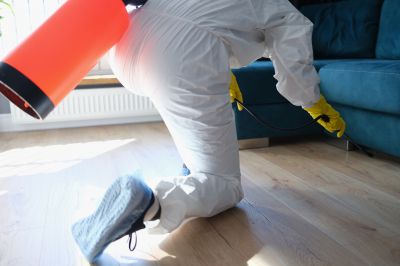
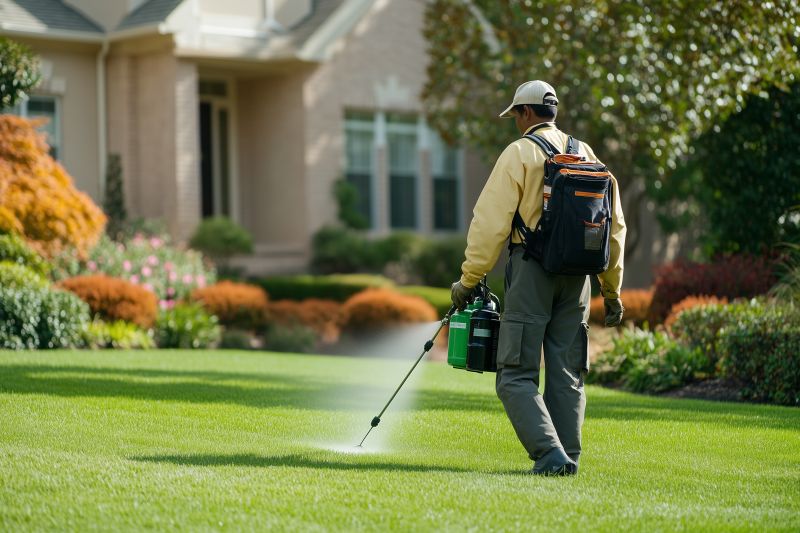
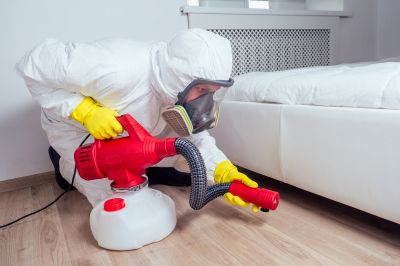
When people search for how fumigation works in residential and commercial buildings, they are often seeking to understand the process used to eliminate pests that threaten the integrity and comfort of a property. This can include infestations of termites, bed bugs, cockroaches, or other insects that are difficult to control with standard methods. Homeowners and business owners alike want to know what steps are involved, how effective the treatment is, and what to expect during and after the process. Understanding these details helps them determine if fumigation is the right solution for their pest problems and how it fits into broader property maintenance or pest management plans.
Fumigation is typically associated with large-scale pest control efforts that require sealing a property to contain the treatment. It’s often used when infestations are widespread or particularly stubborn, such as termite colonies that have penetrated deep into wood structures or bed bug populations resistant to other treatments. The process involves enclosing the entire building or affected area with a specialized tent or sealing system, then introducing gaseous pesticides or fumigants that penetrate into cracks, crevices, and hidden spaces. This method ensures that pests are exposed to the treatment thoroughly, reaching areas that might be inaccessible to sprays or powders. Local service providers who specialize in residential or commercial fumigation can help determine the scope of the problem and recommend the most effective approach.
Properties that commonly come up in discussions about fumigation include single-family homes, apartment complexes, warehouses, restaurants, and commercial buildings with extensive woodwork or stored goods. These structures often face pest challenges that require intensive treatment to eradicate pests completely. For residential properties, fumigation might be used when infestations of termites or bed bugs threaten the comfort and safety of inhabitants. In commercial settings, fumigation can be essential for protecting inventory, maintaining hygiene standards, or preventing pest-related health violations. Local contractors experienced in fumigation services understand the unique needs of these property types and can tailor their approach to ensure thorough treatment without unnecessary disruption.
Understanding how fumigation works in residential and commercial buildings highlights the importance of professional expertise in executing this method safely and effectively. While the process can seem complex, experienced service providers are equipped to handle the preparation, execution, and post-treatment steps with precision. They can advise on how to prepare a property for fumigation, including sealing procedures and safety considerations, and ensure that the treatment reaches all affected areas. For property owners facing pest issues that require comprehensive eradication, connecting with local pros can provide clarity on the process and confidence that the job will be handled efficiently and thoroughly.
Pest control treatments - pest control projects often involve the use of fumigation techniques similar to those used in residential and commercial fumigation services to eliminate infestations effectively.
Structural inspection services - inspections for termites, wood-boring insects, or structural pests require planning and tools comparable to those used in fumigation processes for buildings.
Drying and moisture control projects - managing moisture in buildings involves planning and equipment that align with the skills used in preparing spaces for fumigation.
Insect barrier installation - installing physical barriers against pests requires understanding of pest entry points and planning similar to fumigation strategies.
Hazardous material removal - handling and removing hazardous materials in buildings shares planning and safety considerations with fumigation procedures.
Building maintenance and sanitation - sanitation projects focusing on pest prevention and building hygiene involve skills related to planning and execution similar to fumigation services.
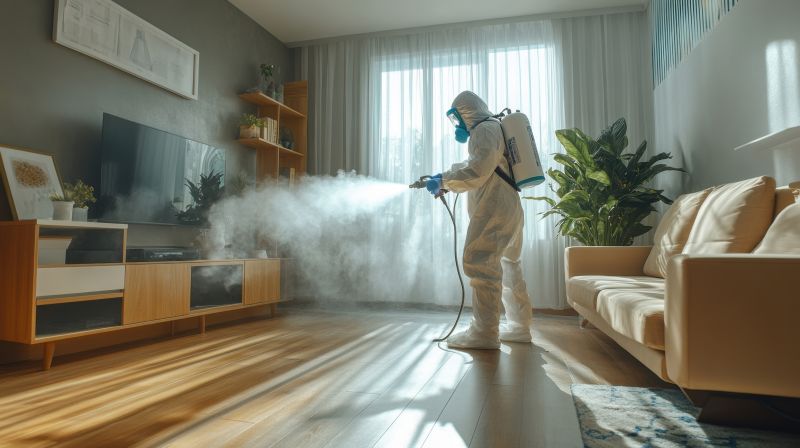
When comparing service providers for fumigation in residential and commercial buildings, it’s important to consider their experience with similar projects. A contractor with a history of handling both residential and commercial fumigation jobs can demonstrate familiarity with the specific challenges and requirements of different property types. This experience can help ensure that the fumigation process is executed effectively and efficiently, tailored to the unique needs of each space. Homeowners and business owners should inquire about the types of properties a contractor has worked on in the past to gauge their familiarity with the scope and complexity of the work involved.
Clear, written expectations are vital when evaluating local contractors for fumigation services. A reputable service provider should be able to outline the scope of work, the steps involved in the fumigation process, and any necessary preparations or post-treatment procedures. Having this information in writing helps prevent misunderstandings and ensures that all parties are aligned on what the service entails. It’s also beneficial to request detailed explanations of the process to understand how the contractor plans to address the specific pest issues and ensure thorough treatment of the building.
Reputable references and good communication are key indicators of a reliable fumigation service provider. Speaking with previous clients or reading reviews can provide insights into the contractor’s professionalism, reliability, and quality of work. Additionally, effective communication throughout the process-such as prompt responses to questions and clear updates-can help build confidence that the contractor will manage the project responsibly. When comparing local service providers, it’s advantageous to prioritize those who are transparent, responsive, and have a track record of satisfied clients, as this can contribute to a smoother and more predictable fumigation experience.
Property owners often search for how fumigation works in residential and commercial buildings when they are planning practical projects around their homes and businesses. Local pros provide Residential and Commercial Fumigation services for everyday jobs and straightforward project options.
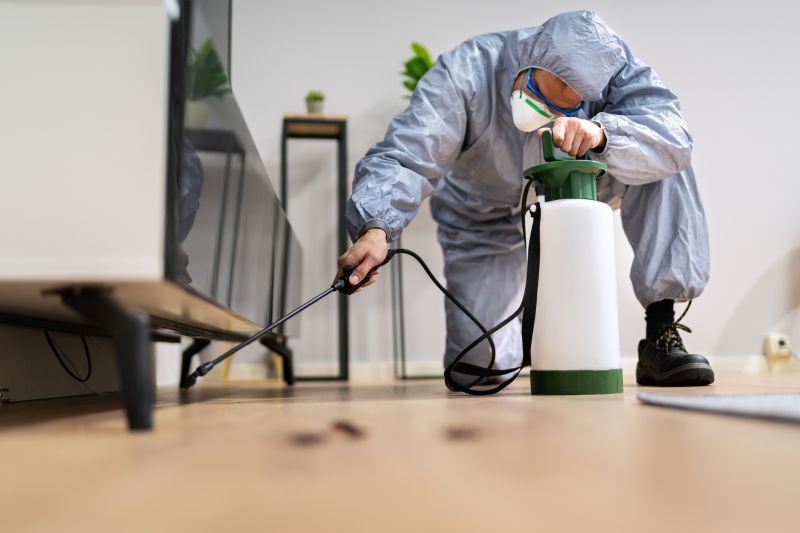
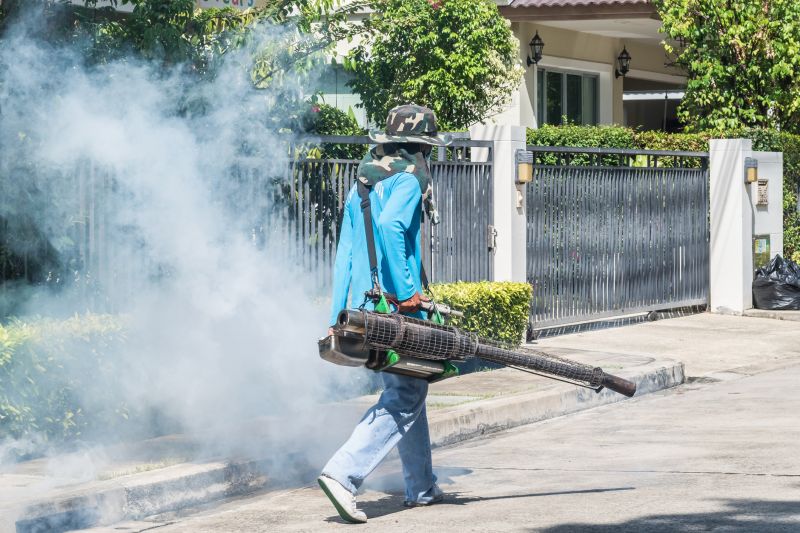
Understanding how fumigation works in residential and commercial buildings can help property owners make informed decisions when pest problems arise. In typical situations, local contractors use specialized equipment to introduce fumigant gases into a space, effectively penetrating cracks, crevices, and hidden areas where pests may hide. This process usually involves preparing the space by removing food, plants, and valuable items, then sealing doors and windows to contain the fumigant. Once the treatment is complete, the space is ventilated thoroughly to ensure safety before it can be used again. Property owners seeking this service often look for experienced local providers who can handle the entire process safely and efficiently.
For many property owners, understanding how fumigation works is essential when dealing with severe infestations of pests like termites, bed bugs, or rodents. Local service providers typically tailor their approach based on the building type and pest issue, ensuring the treatment is thorough and effective. Commercial buildings may require different techniques compared to homes, especially when dealing with larger spaces or sensitive environments. By working with trusted local contractors, property owners can ensure the fumigation process is handled professionally, helping to eliminate pests and protect the property’s integrity.
How does fumigation work in residential and commercial buildings? Fumigation involves sealing the building and introducing a gas or vapor that penetrates all areas to eliminate pests or microorganisms. Local contractors use specialized equipment to ensure the fumigant reaches hidden spaces and thoroughly treats the space.
What types of pests or issues can fumigation address in buildings? Fumigation is effective against a wide range of pests, including termites, bed bugs, rodents, and other insects that hide within walls, furniture, or structural components. Local service providers tailor treatments based on the specific pest problem.
How do local pros prepare a building for fumigation? Preparation typically involves removing food, plants, and valuable items, sealing entry points, and ensuring proper ventilation. Local contractors provide guidance on specific steps to ensure safe and effective fumigation procedures.
What safety measures are taken during fumigation in buildings? Fumigation professionals use sealed tarps or chambers, monitor gas levels, and follow safety protocols to protect occupants and nearby areas. It is essential to vacate the premises during treatment and follow post-fumigation instructions from service providers.
How do local contractors ensure the effectiveness of fumigation in buildings? They use precise application methods, monitor gas concentrations, and verify that the treatment reaches all targeted areas. Follow-up inspections may be conducted to confirm pest elimination and assess the need for additional treatments.
Understanding fumigation procedures - property owners can learn how fumigation works in residential and commercial buildings to prepare spaces effectively before service providers arrive.
Identifying pest entry points - recognizing common entry points helps property owners work with local contractors to seal gaps and optimize fumigation results.
Preparing spaces for fumigation - knowing how to clear and secure areas ensures that local service providers can perform fumigation safely and efficiently.
Post-fumigation safety steps - following recommended safety measures after treatment helps property owners maintain a pest-free environment with guidance from local pros.
If you are thinking about how fumigation works in residential and commercial buildings for a property, this guide is meant to help you understand this topic, the typical project types, and how different options might fit your plans.
When you are ready, you can use the quote form on this page to share a few details about your project. From there, local pros can review the basics and follow up with options that match what you have in mind.